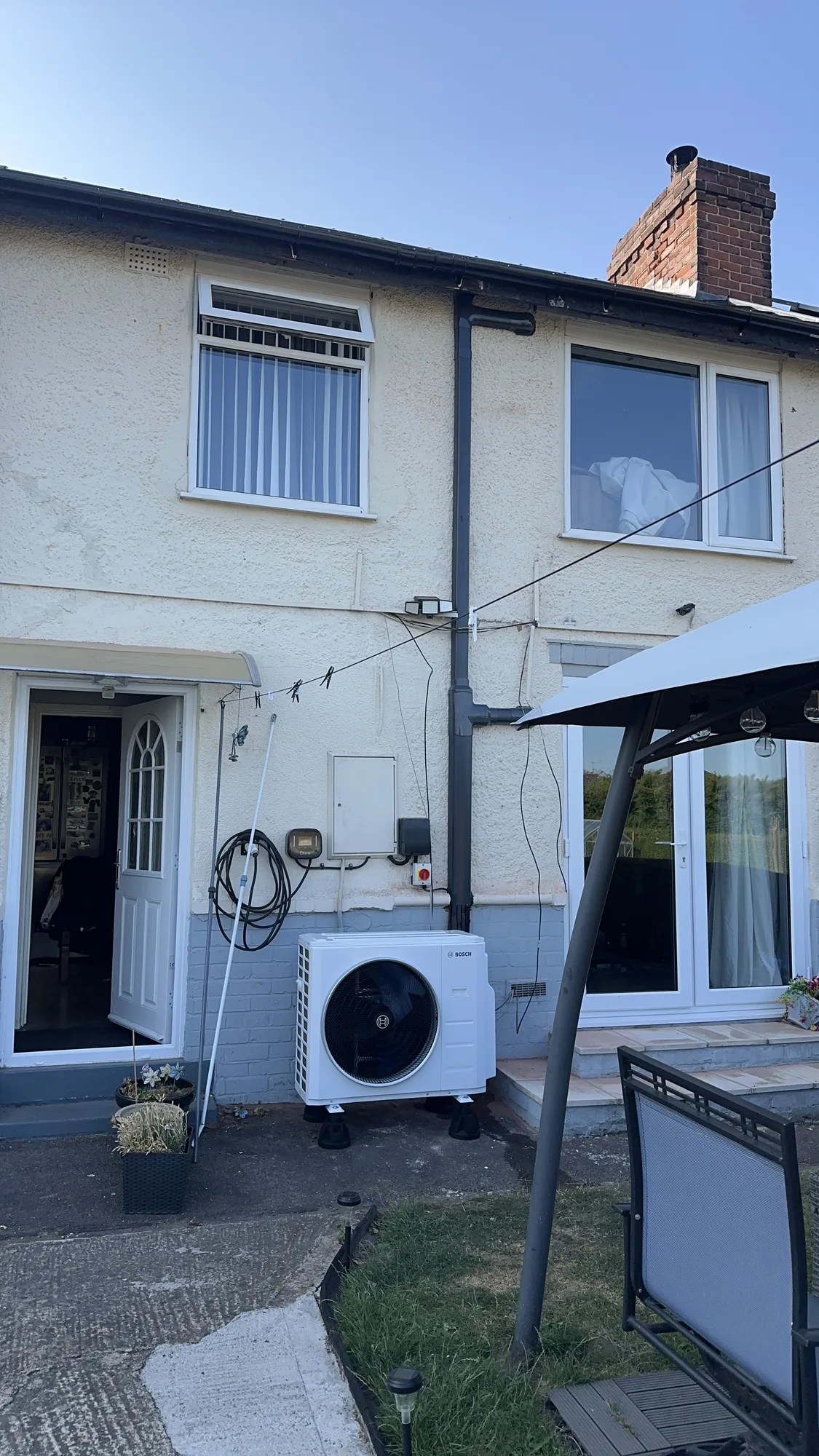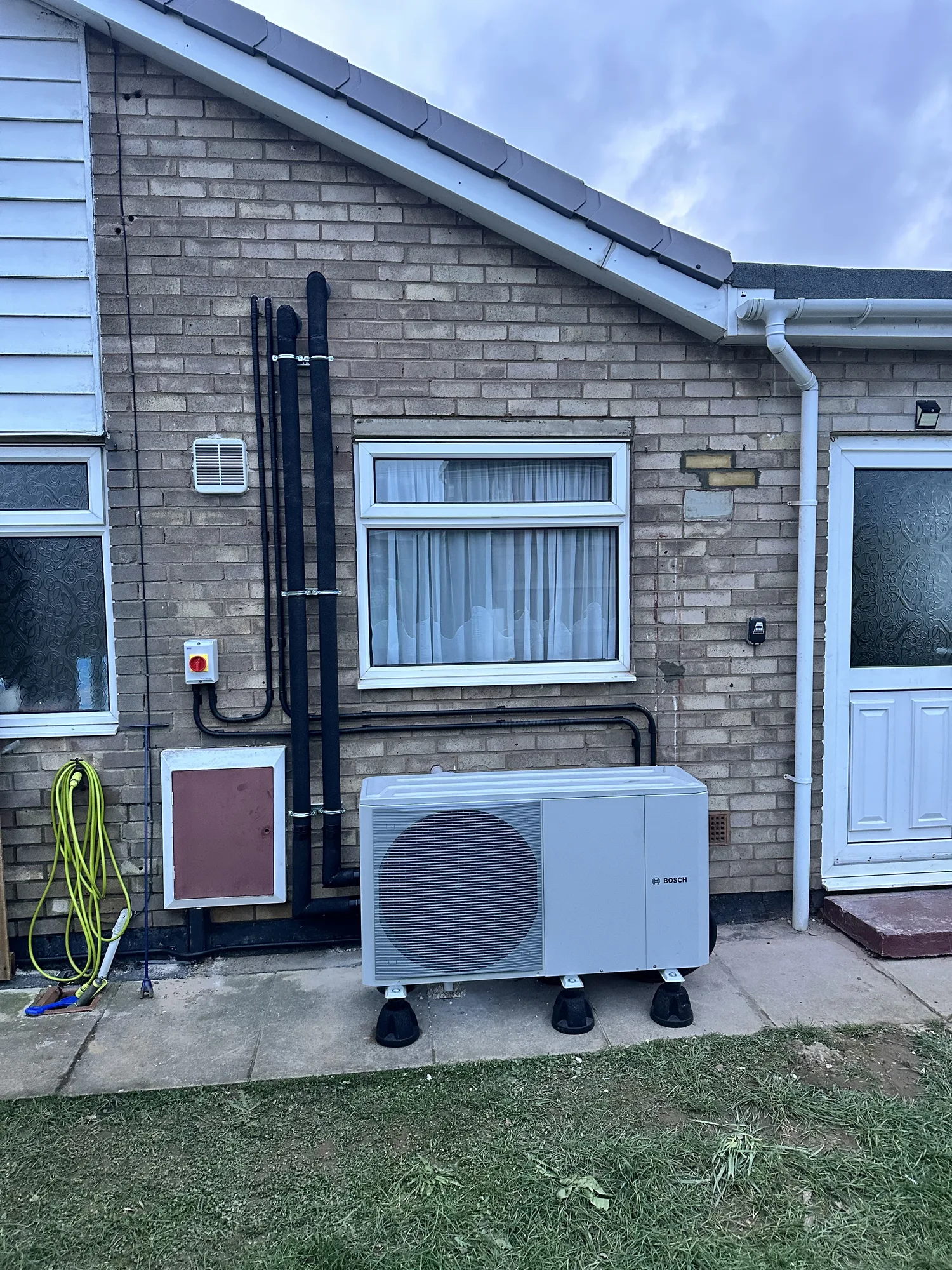
A new gas boiler costs around £2,000 to £5,000 installed, while an air source heat pump starts from about £3,500 and runs more efficiently over time. This guide compares the two on upfront cost, running efficiency, comfort and which homes suit which, and explains why a proper heat loss calculation matters. Fuzzy Duck PHC installs both across West Yorkshire.
If your old boiler is on its last legs, you have a choice to make that homeowners did not have a decade ago. You can fit a modern gas boiler, or you can move to an air source heat pump. Both keep your home warm and both are perfectly good options, but they work in very different ways and suit different homes. This guide walks through how they compare on cost, efficiency and comfort so you can weigh up what makes sense for your property here in West Yorkshire.
Upfront Cost Compared
The most obvious difference is what you pay on day one. A heat pump costs more to install than a like-for-like boiler swap, and it helps to be clear-eyed about that from the start.
- New gas boiler: Our price guide for a new boiler installation runs from around £2,000 to £5,000 supplied and fitted. The figure depends on the boiler you choose, the size of your system and any extra work such as a system flush or new controls.
- Air source heat pump: Our heat pump installations start from around £3,500, depending on the size of your property and the system it is replacing. A heat pump project involves a full design stage, which a straightforward boiler swap does not.
- What sits behind the price: A boiler is often a direct replacement onto existing pipework. A heat pump is a designed system, so the survey, the heat loss calculation and sometimes upgraded radiators or a new cylinder all form part of the cost.
The right way to compare is not sticker price alone. A heat pump costs more upfront, but it changes how much you spend to run your heating every year, which is where the picture gets more interesting.
Running Efficiency and Comfort
A gas boiler burns fuel to create heat. A heat pump does something cleverer. It moves heat from the outside air into your home, so it delivers more energy as warmth than it uses in electricity. That is why a well-designed heat pump is such an efficient way to heat a house.
- How they heat: A boiler runs your radiators hot in short bursts. A heat pump runs at a lower, steadier temperature for longer, keeping the whole house at an even, comfortable warmth rather than swinging between hot and cold.
- Comfort in the home: Many people find that gentle, constant heat more comfortable than the rise and fall of a traditional boiler, and it works especially well with underfloor heating.
- The efficiency trade: A modern condensing gas boiler is efficient and cheap to fit, but you are still paying to burn fuel. A heat pump costs more to install but moves heat rather than making it, which is the reason it can be so economical to run once it is set up correctly.
Not Sure Which Way to Go?
Call Fuzzy Duck PHC on 07747 772276. We give honest, upfront advice on boilers and heat pumps across Ossett, Wakefield and West Yorkshire, and there is no pressure either way.
Call for a Free QuoteWhy the Heat Loss Calculation Matters
If you take one thing from this guide, make it this. A heat pump only performs when it is designed correctly, and that design starts with a full heat loss calculation for your property. It is the single step that separates a heat pump that works beautifully from one that struggles.
- What it measures: A heat loss calculation works out how your particular home loses and holds heat, room by room, so the heat pump is sized properly rather than guessed at.
- Why size matters: A system that is too small will not keep up on the coldest days. One that is too big costs more than it needs to and cycles inefficiently. The calculation gets it right.
- What it sets up: Once we have the heat loss figures, we set the design temperatures so the system delivers even warmth across the whole house, and can run your radiators and underfloor heating together with no trouble.
A boiler is more forgiving on sizing, but a heat pump lives or dies by the design. That is exactly why we start every heat pump job with a proper heat loss calculation rather than a quick guess.
Which Homes Suit Which System
There is no single right answer, and the honest truth is that both systems suit different homes. Here is a rough guide to help you think it through.
- A heat pump often suits: Homes with reasonable insulation, space outside for the outdoor unit, and owners who want a low-carbon system and are happy to invest more upfront for efficient, steady heating.
- A new boiler often suits: Homes where a quick, cost-effective like-for-like swap makes sense, where budget is the main driver, or where outdoor space or the property itself makes a heat pump harder to fit well.
- The deciding factor: It usually comes down to your budget, how your home is built and insulated, and how long you plan to stay. The best way to know is a proper survey rather than a rule of thumb.
Both Are Options We Install
We fit both, and we have no reason to push you towards one over the other. We are Gas Safe registered for boiler work and REFCOM F-Gas certified for heat pump refrigerant work, so whichever route suits your home, it is carried out legally and to the right standard.
Our approach is the same either way. We survey your home, talk through your budget and how you use your heating, and give you a clear, honest recommendation with an itemised quote and no hidden extras. If a boiler is the sensible choice for your property, we will tell you. If a heat pump would serve you better, we will explain why and design it properly. Either way, you get a tidy, professional finish and someone on the end of the phone afterwards.
Frequently Asked Questions
A correctly designed and installed heat pump is a very efficient way to heat a home, because it moves heat rather than burning fuel to create it. Getting the design right is the key, which is why we start every heat pump job with a full heat loss calculation. Running costs depend on your home, your insulation and how you use your heating.
In many cases yes, and a well-designed system will happily run radiators and underfloor heating together. The heat loss calculation tells us whether your current radiators are suitable or whether a few need upgrading to run efficiently at heat pump temperatures. We cover all of that in the design stage.
A new boiler installation runs from around £2,000 to £5,000, while our air source heat pumps start from around £3,500. A heat pump usually costs more upfront because it is a fully designed system with a survey and heat loss calculation, rather than a like-for-like swap. The final figures for both depend on your property.
The best way is a proper survey rather than a rule of thumb. We look at how your home is built and insulated, your budget, and how you use your heating, then give you an honest recommendation. We fit both systems and have no reason to steer you one way, so you get advice that suits your home rather than a sales pitch.